Home · Prices
Why the shop can disagree with the index
Inflation, in the consumer-price sense, is the rate at which a large basket of goods and services is getting more expensive. It is not the rate at which your own receipts changed last week, and in the UK it is not a single index with three nicknames.
2 October 2026 · About 8 minutes · Fangotelyx desk, Lynemouth
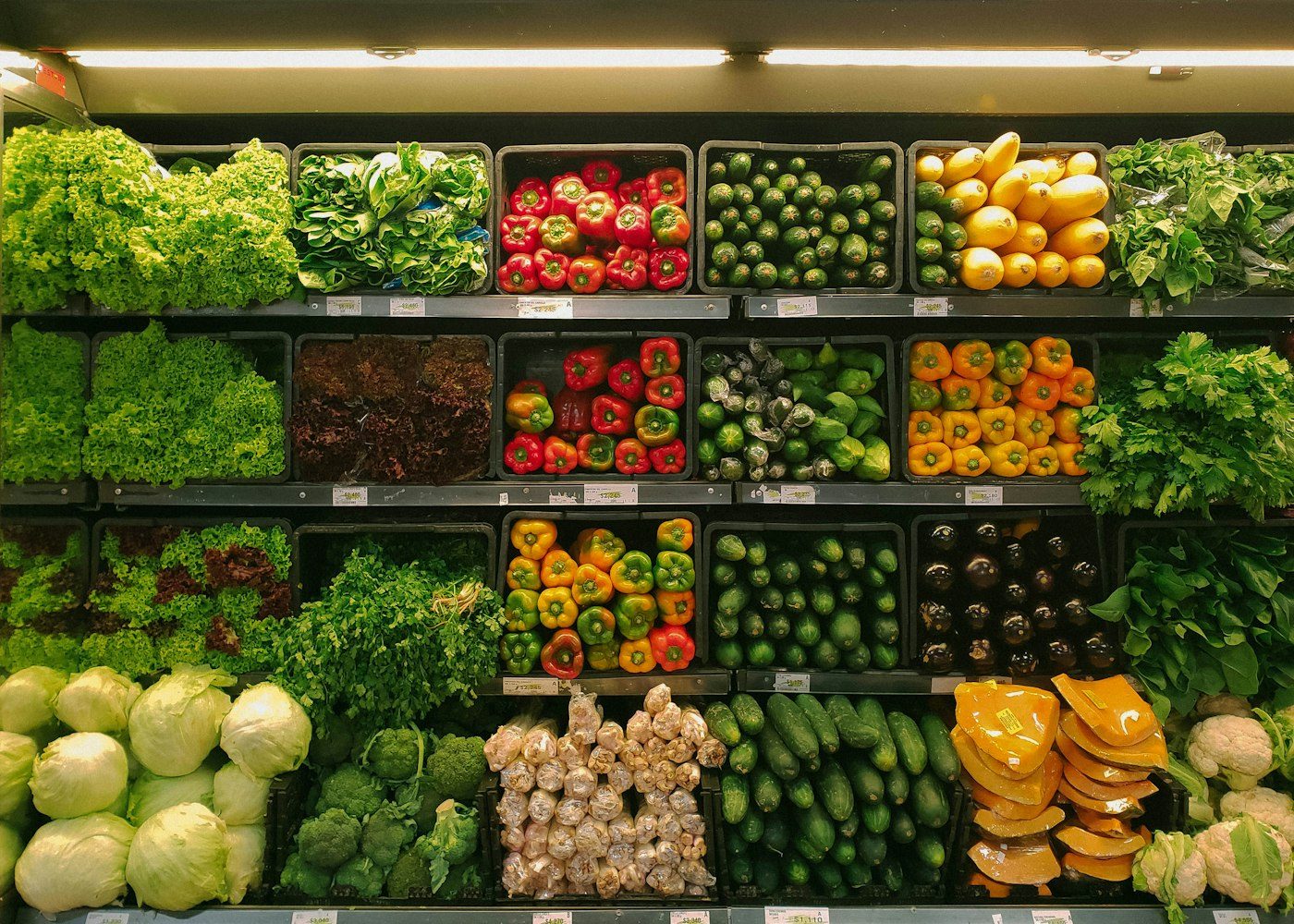
Food is a small slice of the consumer basket and a large slice of what people notice. Both facts can be true.
A basket, not a mood
The Office for National Statistics prices thousands of items, from bread and bus fares to rents, holidays, and insurance. Each item has a weight, based on how much households spend on that kind of thing. The weights are updated, and the basket itself is refreshed, because spending patterns move. A price index is a weighted average of those price changes, expressed so that you can talk about a percentage rise over twelve months or over one month.
The twelve-month rate is the one that enters most headlines. It compares the basket now with the basket a year ago. A one-month rate can be sharp and then vanish from the annual comparison. Petrol that jumped last spring and then sat still will eventually “fall out” of the annual rate even if the price at the pump has not become cheap. That arithmetic is called a base effect. It is not a trick, but it does surprise people who only watch the annual number.
CPI, CPIH, and RPI are different objects
The Consumer Prices Index, CPI, is the measure used for the Bank of England’s inflation target. The target, set by the government in the Bank’s remit, is 2 per cent. CPI is also the index most often compared with other countries, because it follows a shared European method.
CPIH is CPI plus owner occupiers’ housing costs, and it also uses a different treatment of council tax. Owner occupiers do not pay themselves rent, so the ONS estimates the cost of living in one’s own home with a rental-equivalence approach: what it would cost to rent a similar property. That is a large weight. CPIH is therefore the ONS’s most comprehensive household inflation measure, and it can move differently from CPI when housing costs and the rest of the basket disagree.
The Retail Prices Index, RPI, is older. It uses a formula, the Carli index, that tends to sit higher than CPI, and its coverage and population differ, including a mortgage-interest component that CPI does not have. The ONS has been clear for years that RPI is a poor measure of inflation and has discouraged its use. It still appears in some long-standing contracts and in some government debt. Seeing a higher RPI figure does not mean “the real one” has been hidden. It means a different, flawed index is being quoted.

Your basket is not the national basket
A household that spends a large share of income on food and energy will feel those prices more than the national weight implies. A household with a fixed-rate mortgage will not feel a change in new mortgage rates immediately. Students, pensioners, and private renters are not a single “typical” shopper. The ONS has published household-group analysis at times precisely because the headline cannot carry every budget.
Quality change is another reason the index and the pavement differ. If a laptop costs the same but does more, a price index may treat part of that as quality rather than inflation. If a chocolate bar shrinks, the index tries to treat that as a price rise per unit. Both adjustments are judgements, documented in the methods, and they are a standing source of argument.
Core, energy, and the bits people strip out
Energy and food move for reasons — harvests, wars, wholesale gas — that are not the same as a broad rise in domestic costs. Analysts therefore also look at CPI excluding energy, food, alcohol, and tobacco, often called core CPI in the UK discussion. Core is not “truer”. It is a way of asking whether the rise is wide or concentrated. Services inflation is watched for a similar reason: services prices are tied more closely to domestic wages and less to a global commodity.
Goods and services can diverge for a long time. A reader who quotes only the headline, or only food, is answering a smaller question than the sentence usually claims.
A worked example, not a forecast
Suppose, as a classroom sum and not as data, that a basket costs 100 units in the base period. If the index stands at 102 a year later, the basket costs 2 per cent more in index terms. That does not mean every item rose 2 per cent. Butter might have risen 10 and a television fallen 4, with the weights deciding the average. It also does not mean your wage bought 2 per cent less of everything unless your wage was unchanged and your spending matched the basket. Real wages compare a pay series with a price series. They are a further calculation, published separately.
If someone offers you “inflation” without naming CPI, CPIH, or RPI, and without saying whether the rate is monthly or annual, you do not yet have a number. You have a word.
How the target fits in
The 2 per cent CPI target is a policy objective for the Bank of England, not a promise that the index will print 2.0 in every release. Inflation can sit above or below the target for extended periods. When the deviation is large, the Bank writes an open letter to the Chancellor explaining why and what it is doing. That letter is a document about policy. It is not itself the price index. The index remains the ONS release.